
Biochar doubles bean yields on seed-bank fields
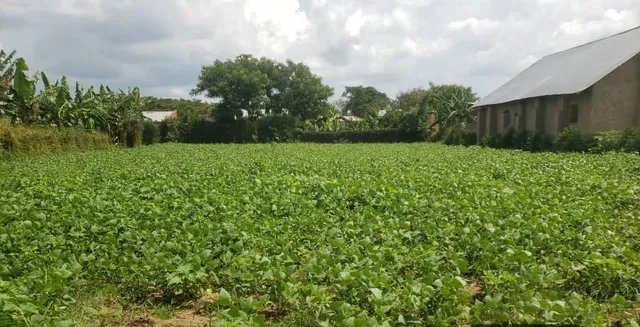
On fields where UCF’s biochar soil amendment was applied in 2025, bean yields doubled.
Program
Seed, training and biochar-amended soil for refugee farmers in Nakivale.

Nakivale Refugee Settlement hosts around 200,000 refugees and some 40,000 Ugandan nationals across 74 villages in three zones (Juru, Base Camp and Rubondo), on roughly 187 square kilometres of villages and farmland (UN Habitat profile, 2020). Many of the farmers are widows and children trying to feed families from exhausted soils. The camps have run at subsistence level since the 1960s, and pressure on land and food worsened through 2024–25 with the crisis around Goma, DRC.
The program began with seminars in 2022 between refugee farmers and international eco-agriculture and ecosystem-restoration specialists, with collaborators including Tyeni, EcoRestoration Communities, Bio4Climate, Friends of Trees and RYSS India. It works through four connected aspects: consultation and planning with refugee communities, provision of bean and maize seed, training and education, and biochar soil amendment.
Early plantings met crop failure: an unseasonal hail storm on top of early skills gaps. The program adapted and went on to achieve strong yields: in 2024, 100 farmers received seed, and by October 2024 the seed bank was working with 242 farmers across 7 villages. On fields amended with biochar, bean yields doubled in 2025. Growers return seed after harvest, multiplying the bank for the next season.
Training continues with children and women across the villages, with field extension work led by Marius Ziganira. In 2024, a school of children and supporting youth trained in gardening techniques to establish household gardens, and children and their mothers were encouraged to apply the skills at home for family food security.